


 ALS Care
ALS Care and In-Bed Toileting Support
As muscle strength declines, toileting can become one of the most private, physically demanding, and emotionally difficult parts of daily care.
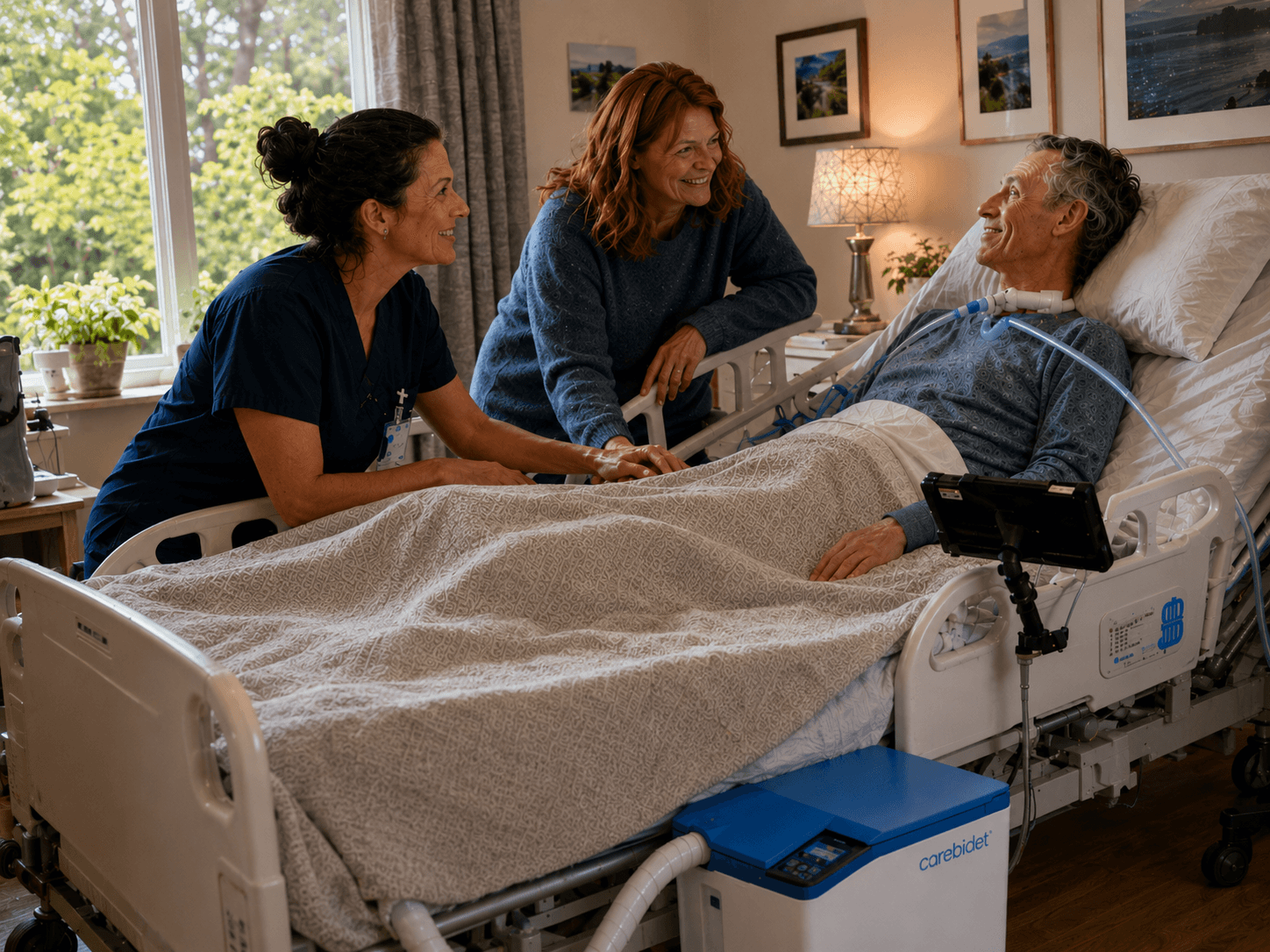
For many people living with ALS, toileting becomes harder as strength, mobility, transfers, and repositioning change. Carebidet supports no-transfer, in-bed toileting care so the person can remain lying in bed while toileting care is managed with dignity and peace of mind.
More comfortable toileting careGreater privacy and dignityCleaner, sealed waste handlingLess hands-on caregiver effortWhen ALS Changes Daily Care
As ALS progresses, toileting care can become increasingly personal and physically demanding. Families and caregivers may be managing full-assist transfers, hygiene, privacy, and nighttime needs while trying to preserve the individual's comfort and dignity. Carebidet is designed to support both the person receiving care and those providing care.
Why Toileting Becomes Harder With ALS
ALS can progressively weaken the muscles needed for walking, standing, transferring, repositioning, and managing daily personal care. Toileting can become especially difficult because it involves mobility, balance, timing, privacy, clothing, cleansing, and safe caregiver assistance.
As mobility declines, even routine toileting can require more hands-on assistance and coordination throughout the day and night.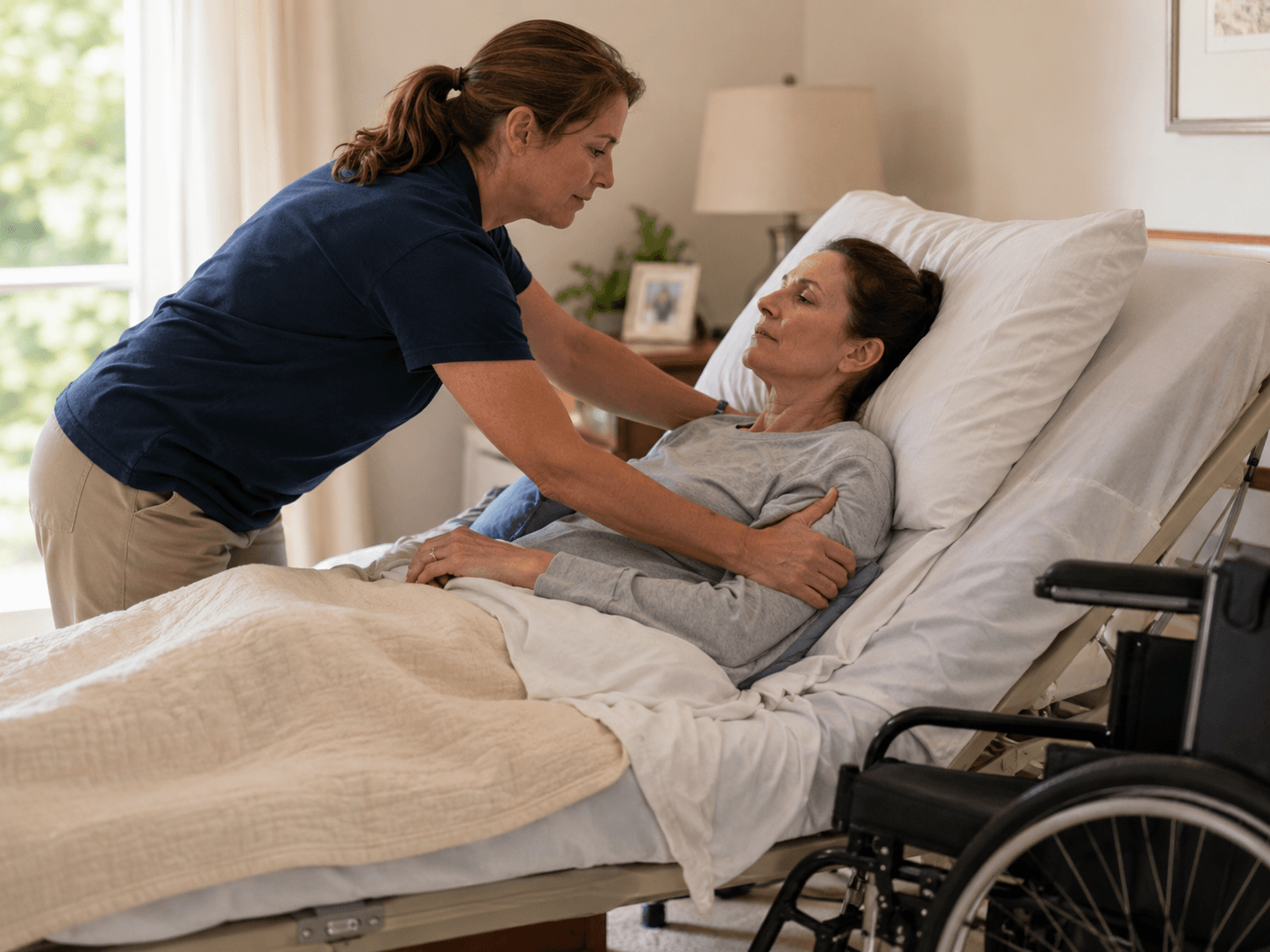
Making Toileting Care Easier and More Comfortable
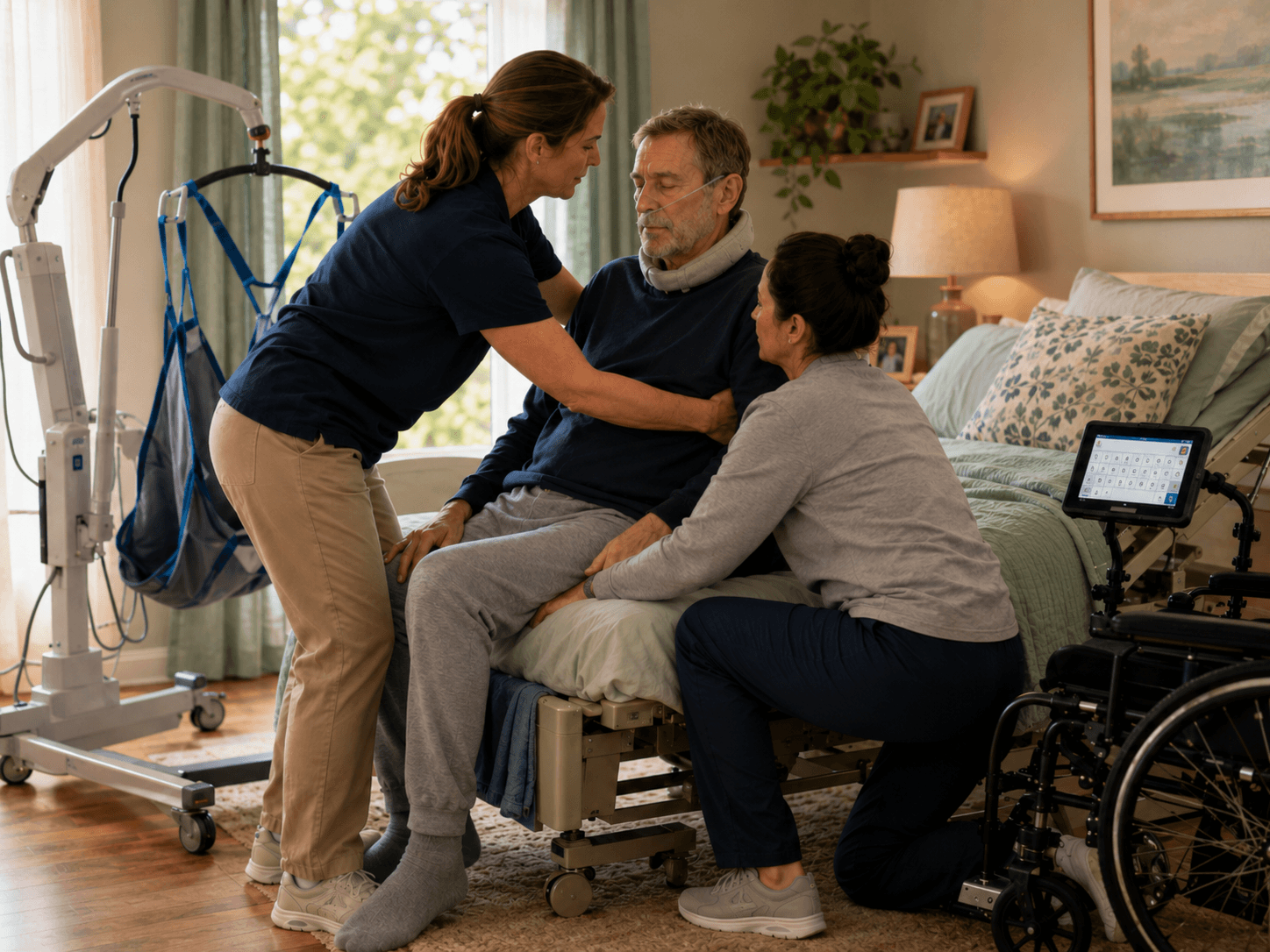
Transfers, lifting, and repositioning can be uncomfortable for the person and physically demanding for caregivers. By reducing the need for toileting transfers and bedpan positioning, Carebidet can help create a calmer, more comfortable, and more dignified care experience.
Research-supported caregiver benefitA comparative care study found that Carebidet-assisted care reduced caregivers' physical load during the primary hands-on care phase compared with manual diaper care.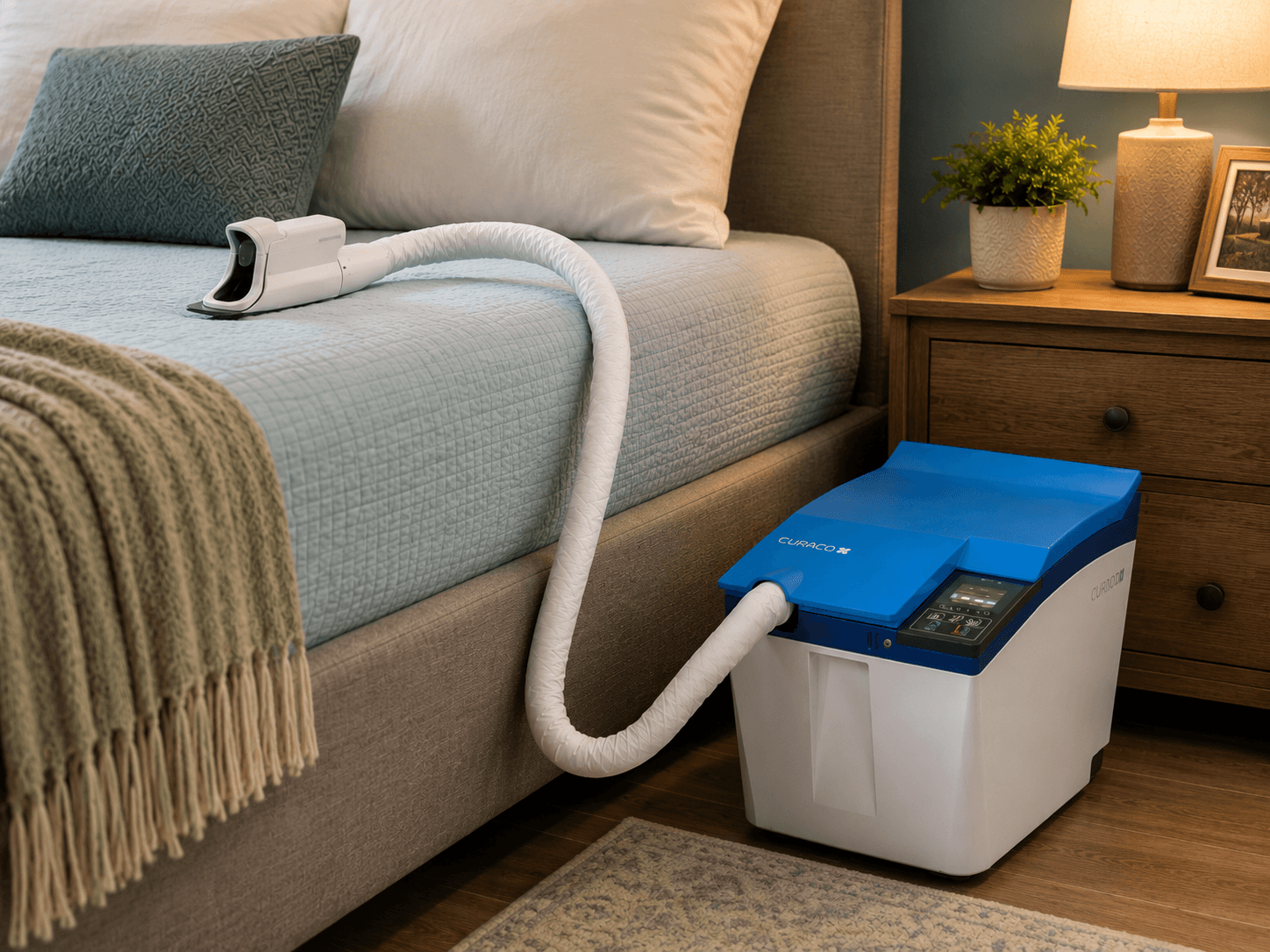
Privacy, Waste Exposure, and Dignity
Toileting care affects dignity, privacy, odor, cleanup, and the caregiver relationship.
Traditional approaches may require manual cleanup, diapers, pads, bedpans, lifting, rolling, and direct exposure to urine, feces, waste, and odor. Carebidet helps provide a more automated, sealed, and dignified in-bed care experience.
How Carebidet Can Help
No-Transfer Toileting
Remain comfortably in bed without transferring to a toilet or commode.
Washes & Dries
Automated cleansing and warm-air drying help provide cleaner, more comfortable care.
Waste & Odor Control
A sealed system removes and contains waste while helping control odor and direct exposure.
Dignity & Comfort
Helps make intimate toileting care calmer, more private, and less intrusive.
Caregiver Support
Helps reduce lifting, repositioning, bedpan use, and repeated hands-on cleanup.
A More Dignified Way to Support ALS Care
ALS care is about preserving comfort, confidence, privacy, dignity, and connection. Carebidet may help make one of the hardest parts of ALS care more manageable.
 Clinical Context
Why This Matters
ALS progressively affects voluntary muscle movement.NINDS describes ALS as a neurological disorder affecting motor neurons that control voluntary muscle movement and breathing.
View SourceALS can slowly take away the ability to walk, talk, eat, and breathe.The ALS Association describes ALS as progressive, with the brain losing connection with muscles over time.
View SourceDaily living activities include toileting and transfers.The ALS Association mobility guide lists activities of daily living including toileting, bed mobility, and transfers.
View SourceALS caregiving burden is well documented.Peer-reviewed research describes ALS caregiver burden as high, with major effects on caregivers' lives.
View SourceFLEXIBLE CAREAt Home or in a Care Setting
Carebidet provides no-transfer, in-bed toileting support at home or in care settings - helping improve comfort and dignity while reducing stress for family and professional caregivers.
Carebidet is a supportive in-bed toileting care system. It is not intended to diagnose, treat, cure, or prevent any disease or medical condition. Carebidet does not replace medical care or professional caregiver judgment. Individual care needs vary.
